China Looks Like It's Winning. It Isn't. 中國贏了嗎?
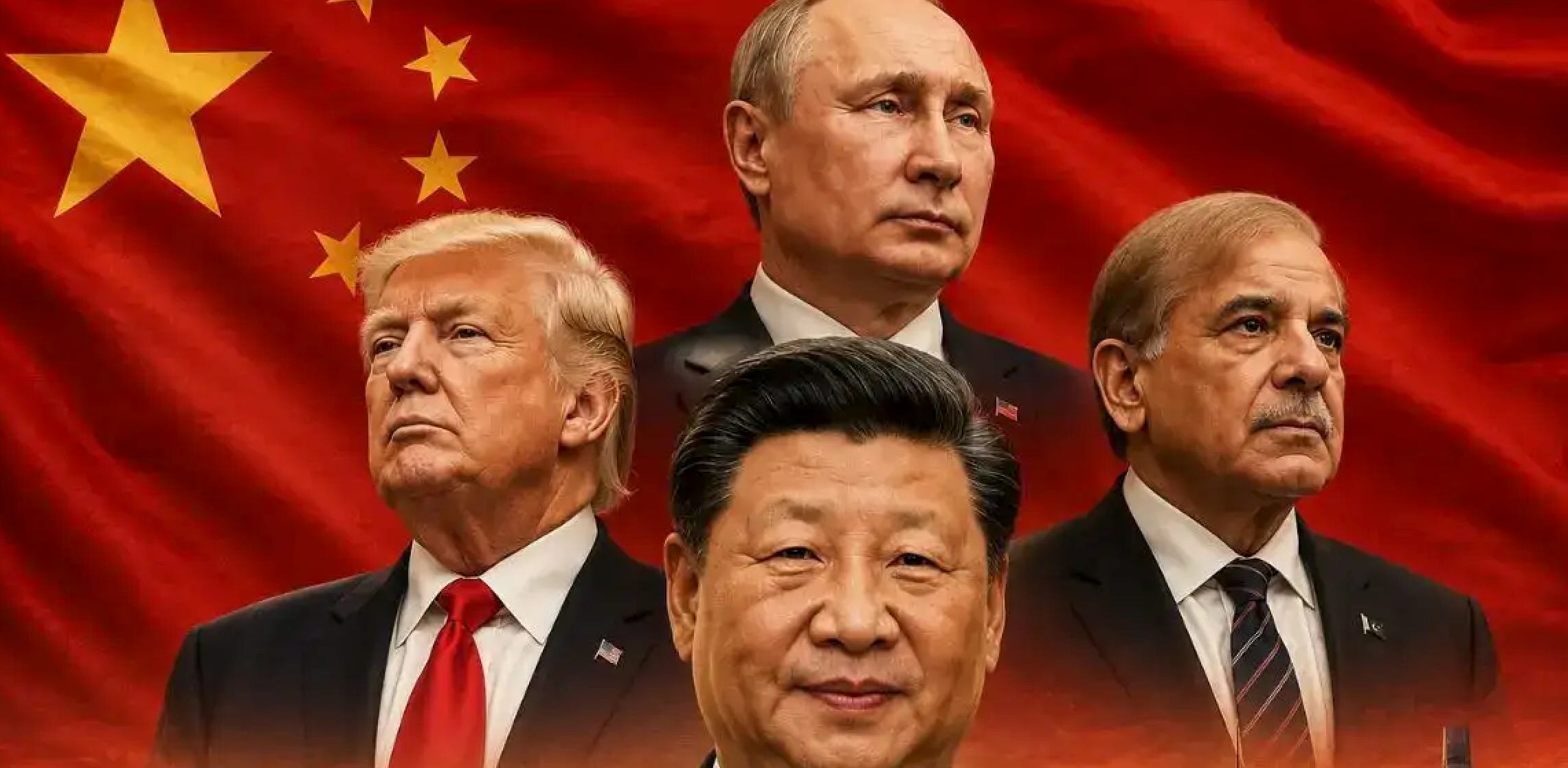
Trump came. Putin came. Now Shehbaz Sharif lands in Beijing. But mistaking a crowded diplomatic calendar for strategic victory misreads a China that is improvising, not commanding.
中文版在最下方
Trump came. Putin came. Now Shehbaz Sharif lands in Beijing. But mistaking a crowded diplomatic calendar for strategic victory misreads a China that is improvising, not commanding.
Watch the Great Hall of the People this month and you would think China has already won. Donald Trump came. Vladimir Putin came. This Saturday, Shehbaz Sharif arrives for a four-day state visit, and Tehran’s foreign minister was here only weeks ago. Every side of the Iran war seems to need a Beijing address. The official narrative, echoed by a good deal of foreign commentary, reads all this as the arrival of the indispensable power.
It is not. The pull everyone senses is really just the absence of anywhere else to go, and the grand strategy they read into it does not exist.
I have lived and worked in China for twenty-five years, and the thing outsiders most often miss is how pragmatic this country is. Pragmatic in the way most Chinese treat religion. They will believe anything and commit to nothing. That instinct, not some blueprint for world domination, is what governs Beijing’s foreign policy. China has no vision for the Middle East or Ukraine. It has a reflex. Take whatever advantage is on offer, ignore any rule that gets in the way, and put off paying for it as long as possible.
So in the Iran war China plays both sides, because both sides are available. Officially neutral, it keeps its relationship with Israel intact while quietly tolerating anti-Israel sentiment, much of it frankly antisemitic, on social media that the censors would scrub within hours if it touched the Party. Officially a peacemaker nudging a ceasefire along, it has kept Iran supplied, and Russia too. For now this works. It will not work forever, because being everyone’s address eventually means standing for nothing.
The real story is domestic, and it is not a confident one. The labour force is shrinking. The property market has not so much corrected as collapsed. Youth unemployment got bad enough that Beijing simply stopped publishing the figure, then quietly changed how it was measured. Capital is leaving the country in the hundreds of billions. What keeps Xi Jinping awake is not the Strait of Hormuz. It is whether these pressures will loosen the Party’s hold on power. Everything Beijing does abroad follows from that worry.
This is why the relationship with the United States cannot be repaired by a summit. It is the only relationship that genuinely matters to Beijing, because the market China needs and the technology it still cannot make for itself are both American. Xi used the Iran crisis to buy himself some time. He invited Trump, lowered the temperature, and conceded nothing of substance. Genuinely opening up, the way Trump keeps demanding, would mean reforms the Party is convinced would weaken its own grip on the country. So Beijing manages the rivalry. It cannot end it. The conflict with America will run on, because the cure is something China cannot afford.
For Indian readers, the Sharif visit is worth watching without the usual alarm. The “all-weather” partnership will be reaffirmed, CPEC toasted, the seventy-fifth anniversary of diplomatic ties duly celebrated. But Pakistan arrives in Beijing as a dependent, not a partner. It is useful to China precisely because it is pliable. That is not how a confident power builds an order. It is how a transactional one collects clients.
Taiwan works the same way, and here is the reading you will not get from the official side. The threats are real. The timetable is not. For Xi, Taiwan is mostly a domestic instrument, a way to keep nationalist feeling warm at home, not a war he is impatient to start. A failed invasion would do to his rule exactly what he fears most. He keeps the island tense because he is cautious, not because he is bold.
China is an anxious party-state, making it up as it goes. But in a world where globalization itself is coming apart, time is the one thing a run of short-term wins cannot buy. A crowded waiting room is not the same as a strong hand.
May 25, 2026
Originally Published in Times Now :
https://www.timesnownews.com/opinion/world/china-global-power-illusion-xi-jinping-pakistan-iran-us-rivalry-article-154381512
譯文:
如果你這個月一直盯著北京人民大會堂看,可能會以為中國已經贏了。川普來了,普京來了。本週六,巴基斯坦總理謝里夫將展開為期四天的國是訪問。而就在幾週前,伊朗外長也才剛剛到訪。如今,幾乎伊朗戰爭的每一方,似乎都需要來北京一趟。
中國官方敘事,再加上不少海外評論,也因此將北京描繪成一個不可或缺的世界中心。
但事實並非如此。
外界感受到的「吸引力」,很多時候其實只是因為大家沒有更好的地方可去。而人們從中解讀出的那套「宏大戰略」,其實根本不存在。
我在中國生活與工作了二十五年。外界最容易誤判中國的一點,就是低估了這個國家的實用主義。
中國的實用主義,很像許多中國人對待宗教的方式:什麼都可以相信,但什麼都不真正投入。
真正支配北京外交政策的,並不是什麼世界霸權藍圖,而是這種本能。
中國對中東沒有真正的願景,對烏克蘭也沒有。它有的,只是一種反射式的反應:哪裡有利益就拿,哪條規則礙事就繞開,而代價則能拖多久就拖多久。
所以,在伊朗戰爭問題上,中國選擇兩邊下注,因為兩邊都還有利用價值。
北京官方口頭上保持中立,一邊維持與以色列的關係,另一邊又默許中國社交媒體上大量反以色列、甚至帶有明顯反猶色彩的言論存在。要知道,如果這些內容涉及中國共產黨本身,網路審查幾個小時內就會全部刪光。
北京官方同時又以「和平調停者」姿態出現,聲稱推動停火,但實際上,中國仍持續向伊朗供應支持,也同樣支援俄羅斯。
目前這種做法還能運作。
但它不可能永遠有效。因為當一個國家試圖成為所有人的「聯絡地址」,最終往往代表它其實沒有任何真正立場。
真正的問題,其實在中國國內,而且情況並不樂觀。
中國勞動人口正在萎縮。房地產市場與其說是調整,不如說是崩塌。青年失業率嚴重到北京一度直接停止公布數據,後來又悄悄修改統計方式。
資本正以數千億美元規模流出中國。
真正讓習近平夜不能寐的,不是荷莫茲海峽,而是這些內部壓力是否最終會動搖中共的統治。
北京今天幾乎所有外交政策,其實都圍繞著這個焦慮展開。
這也是為什麼,美中關係不可能靠一次峰會就修復。
因為對北京而言,真正重要的外部關係,其實只有美國。
中國最需要的市場仍然是美國;中國至今無法完全自主生產的核心技術,也依然掌握在美國手中。
習近平利用伊朗危機,替自己爭取了一些時間。他邀請川普訪華,降低雙方緊張氣氛,但在實質問題上幾乎沒有做出真正讓步。
而川普一直要求中國「真正開放市場」,這件事對中共來說卻極度危險。因為真正的開放,意味著改革,而中共始終相信,這些改革最終會削弱自己對國家的控制。
所以,北京現在做的,其實只是管理與美國的競爭,而不是終結它。
中美衝突還會持續下去。因為真正能解決問題的方法,恰恰是中國自己無法承受的。
對印度讀者來說,謝里夫這次訪中值得關注,但不必過度緊張。
中巴「全天候友誼」當然還會再次被高調強調,中巴經濟走廊(CPEC)也會繼續被歌頌,雙方建交七十五週年更會被隆重慶祝。
但巴基斯坦今天來到北京,更像是一個依賴者,而不是平等夥伴。
它之所以對中國有價值,恰恰是因為它容易被操控。
而一個真正自信的大國,不會靠這種方式建立國際秩序。
只有一個交易型國家,才會不斷收集「客戶」。
台灣問題其實也是同樣邏輯。
而這裡,有一個你不會從官方敘事中聽到的解讀:
中國對台灣的威脅是真實存在的,但所謂「時間表」卻未必。
對習近平而言,台灣更多是一種內部政治工具,用來維持國內民族主義情緒,而不是一場他急於發動的戰爭。
因為一旦入侵失敗,那將直接摧毀他最害怕失去的東西:自己的統治地位。
所以他讓台海保持緊張,更多是因為謹慎,而不是因為自信。
今天的中國,更像是一個充滿焦慮的黨國體制,一邊走,一邊摸索。
但在一個全球化本身都正在瓦解的世界裡,時間恰恰是短期勝利最無法真正換來的東西。
一個擠滿訪客的等候室,並不等於真正掌握全局的強勢牌局。
2026年5月25日
原文發表在Times Now :
https://www.timesnownews.com/opinion/world/china-global-power-illusion-xi-jinping-pakistan-iran-us-rivalry-article-154381512


